Introduction
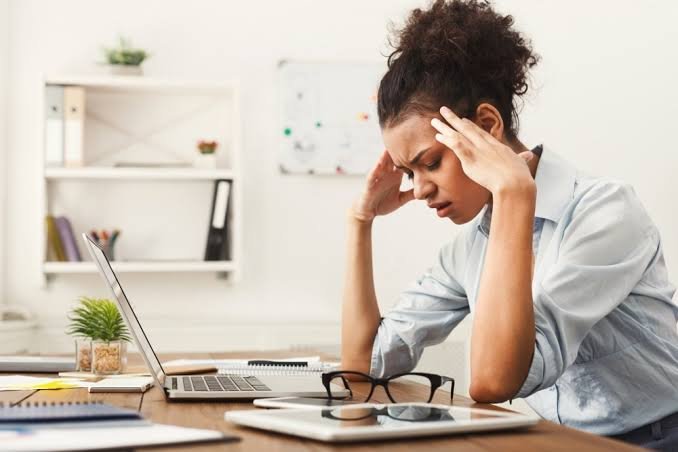
That tight chest feeling, racing thoughts, the sense that everything is suddenly too much — anxiety doesn’t always give a warning before it hits. Simple breathing exercises to reduce anxiety are some of the most underrated tools available, mainly because they sound too basic to actually work. They do, though, and there’s real physiology behind why.
How Breathing Actually Affects Anxiety
Slow, controlled breathing activates the parasympathetic nervous system — your body’s natural “rest and digest” response — which directly counters the fight-or-flight state anxiety triggers.
Quick answer: Breathing exercises reduce anxiety by slowing heart rate and signalling safety to the nervous system, typically showing calming effects within 60-90 seconds of consistent, slow breathing, making it one of the fastest accessible anxiety tools available.
The 4-7-8 Breathing Technique
This is probably the most well-known technique, and for good reason — it’s simple enough to do anywhere, even in a crowded meeting room without anyone noticing.
How to do it:
- Inhale through your nose for 4 seconds
- Hold your breath for 7 seconds
- Exhale slowly through your mouth for 8 seconds
- Repeat for 4-5 cycles
I’ve noticed the holding part feels awkward at first for most beginners, but it gets easier within a few practice sessions.
Box Breathing for Quick Resets
Box breathing, sometimes called square breathing, is used by everyone from athletes to military personnel for a reason — it’s fast, easy to remember, and effective under real pressure.
Inhale for 4 seconds, hold for 4, exhale for 4, hold again for 4. Visualising drawing a square as you breathe genuinely helps some people stay focused on the pattern.
Diaphragmatic (Belly) Breathing
A lot of people breathe shallowly from the chest, especially during stress, which actually reinforces the anxious state rather than calming it. Diaphragmatic breathing shifts this pattern intentionally.
Place a hand on your belly. Breathe in deeply enough that your hand rises, not just your chest. This deeper breath pattern activates the calming nervous system response more effectively than shallow chest breaths.
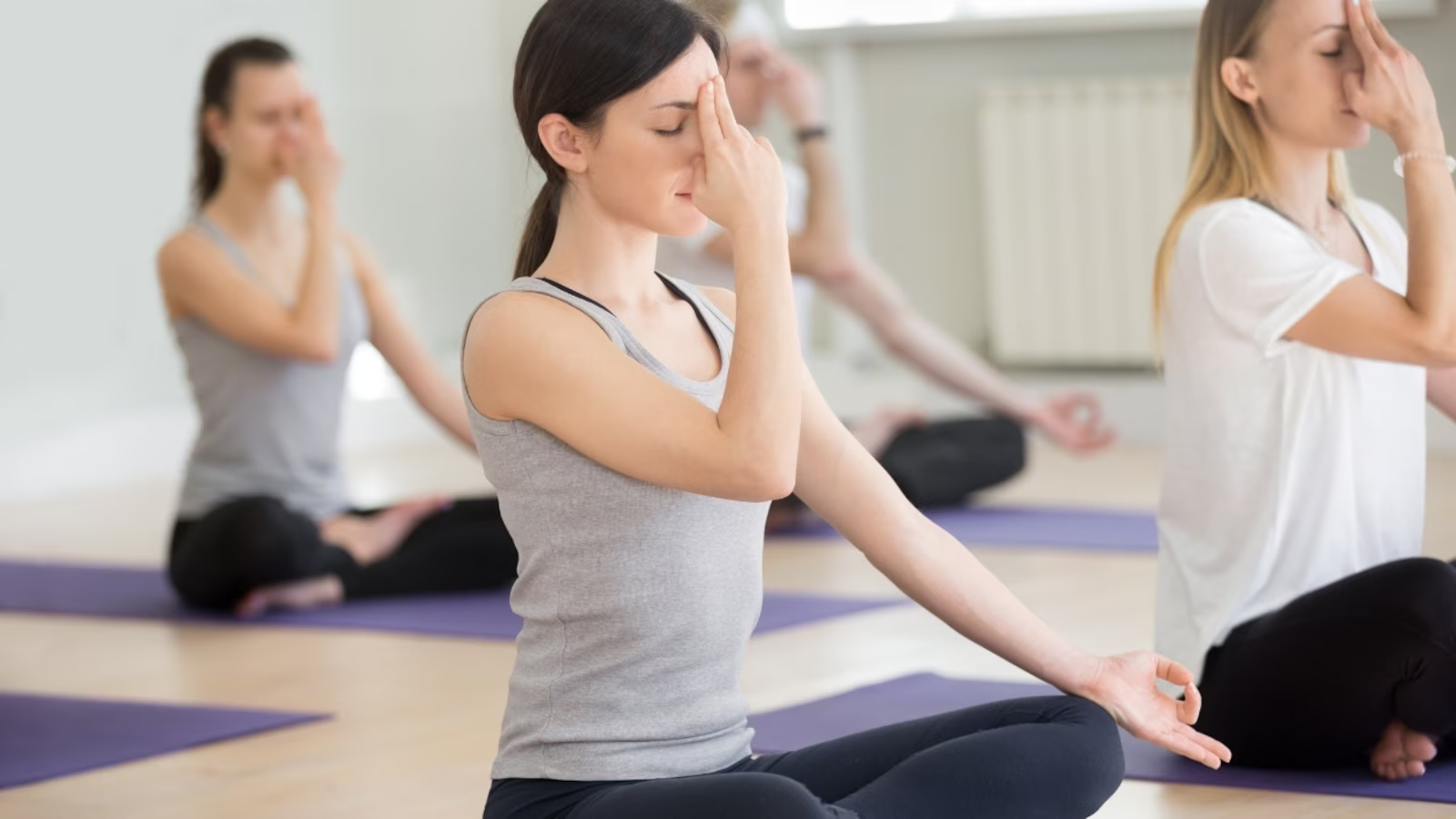
Alternate Nostril Breathing
This technique, borrowed from yogic breathing practices, involves breathing through one nostril at a time while blocking the other with a finger.
Picture someone dealing with pre-presentation nerves right before walking into a boardroom — a couple of minutes of alternate nostril breathing in a quiet corner can genuinely settle the nervous energy before stepping in.
Using Breathing Exercises During Acute Anxiety Moments
Quick answer: During a sudden anxiety spike, the 4-7-8 or box breathing technique repeated for 5-6 cycles typically brings noticeable physical calm within 2-3 minutes, even though the underlying anxious thought may take longer to fully settle.
The key is starting the exercise as soon as you notice early physical signs — tight chest, shallow breath — rather than waiting until anxiety fully peaks. [link to related guide on stress management tips for working women here]
Building Breathing Practice Into Daily Life
Doing these exercises only during a crisis moment works, but practising them regularly during calm moments makes the technique far more effective when you actually need it under real stress.
A simple daily habit:
- 5 minutes of box breathing each morning
- A quick round before any known stressful event (meetings, exams, difficult conversations)
- Pairing it with an existing habit, like right after brushing teeth, to build consistency
FAQ
Q1. How quickly do breathing exercises reduce anxiety? Physical calming effects are often noticeable within 60-90 seconds of slow, controlled breathing, though the anxious thought itself may take a bit longer to settle.
Q2. Which breathing technique works best for sudden panic? Box breathing or 4-7-8 breathing are both effective for sudden anxiety spikes due to their simple, repeatable structure.
Q3. Can breathing exercises replace therapy or medication for anxiety? No, they’re a helpful supportive tool, but persistent or severe anxiety often needs professional support alongside these techniques.
Q4. Is it normal to feel dizzy while doing breathing exercises? Mild lightheadedness can happen initially, especially with breath-holding techniques. Starting with shorter counts and building up gradually helps avoid this.
Q5. How often should I practice breathing exercises for anxiety? Daily practice, even for a few minutes, builds the skill so it’s more effective during actual anxious moments, rather than only using it reactively.
Q6. Can children use these breathing exercises too? Yes, simplified versions like belly breathing are commonly used with children to help manage anxiety and big emotions in an age-appropriate way.
Conclusion
These breathing exercises to reduce anxiety are simple enough to sound almost too easy, but the physiological effect is genuinely real and well documented. Pick one technique, practice it during calm moments first, and it’ll be far more effective when anxiety actually strikes. It’s not a complete fix for everyone, but it’s a solid, always-available first response.
Suggested Alt Text: “Person practising breathing exercise to reduce anxiety” Suggested Alt Text: “Calm woman doing box breathing technique for anxiety relief”

 LOOK 01
 LOOK 02