
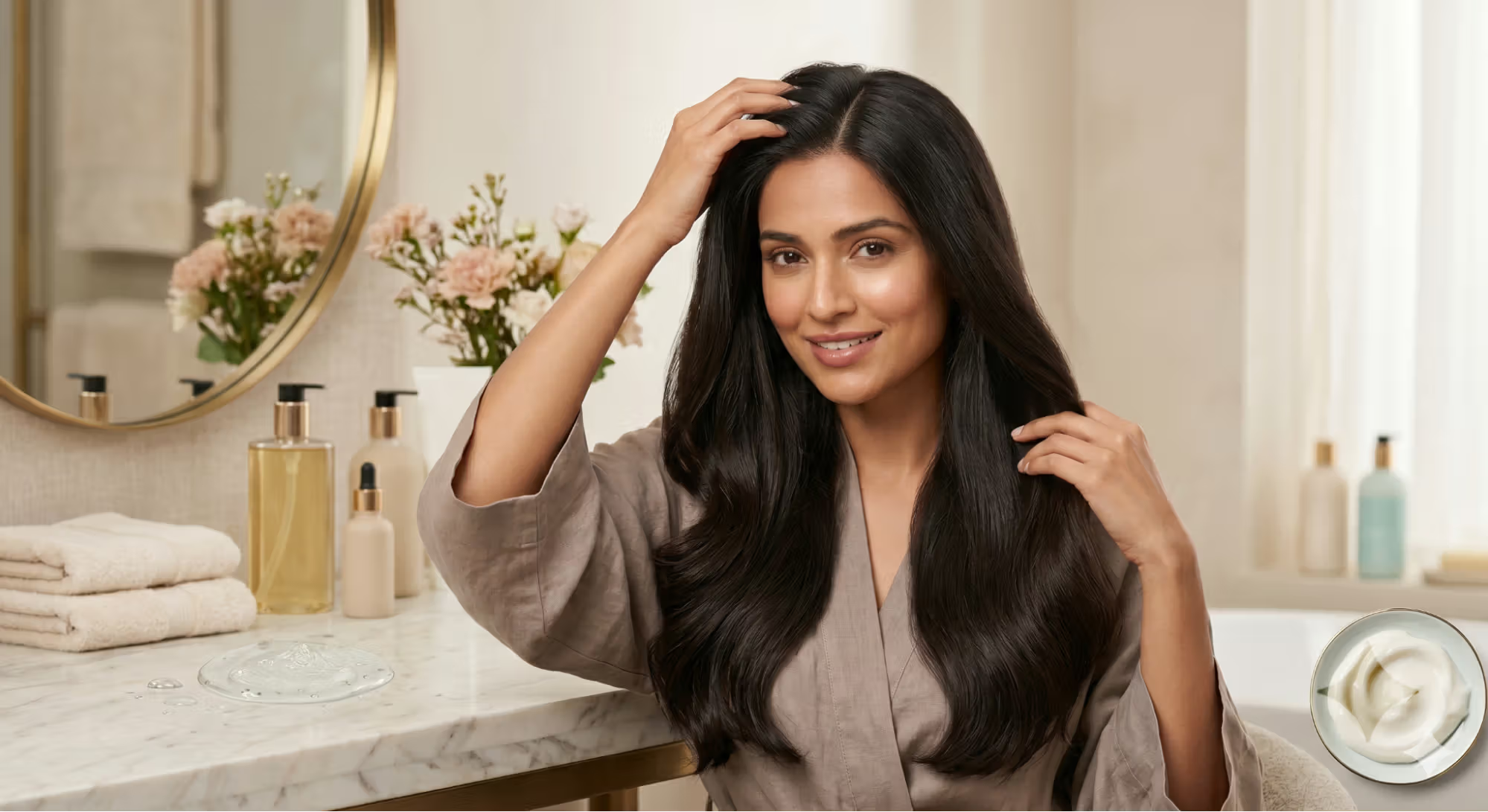
Standing in front of a shampoo aisle with forty different bottles, all claiming to be “the one,” is genuinely overwhelming. I used to just grab whatever smelled nice — until my hairdresser pointed out I was using completely the wrong product for my hair type. Learning to actually pick the right shampoo for hair type changed my hair more than any expensive treatment ever did.
Why Does Shampoo Choice Matter So Much?
Choosing the correct shampoo for hair type matters because different formulas target very different needs — oily scalps need clarifying ingredients, dry hair needs added moisture, and using the wrong type can actively worsen your specific hair concern over time.
It’s not just marketing — the formulations genuinely differ at an ingredient level.
Shampoo for Oily Hair
Look for clarifying or balancing shampoos, often containing ingredients like tea tree oil or salicylic acid. Avoid heavy, moisturizing formulas — they’ll weigh oily hair down further.
- Wash every 1-2 days if genuinely oily
- Focus shampoo application on the scalp, not the length
- Avoid conditioner near the roots
Shampoo for Dry or Frizzy Hair
Sulfate-free, moisturizing shampoos with ingredients like shea butter or argan oil work best here. Sulfates strip natural oils, which is exactly what dry hair doesn’t need.
Shampoo for Curly Hair
Curly hair typically needs extra moisture and gentler cleansing. Co-washing (conditioner-only washing) or sulfate-free curl-specific shampoos help maintain the natural curl pattern without excessive dryness.
Shampoo for Color-Treated Hair
Color-safe, sulfate-free formulas genuinely extend how long your color lasts. Regular shampoos can strip color noticeably faster, sometimes within just a couple of washes.
Shampoo for Dandruff-Prone Scalps
Anti-dandruff shampoos with zinc pyrithione or ketoconazole target the actual fungal cause of most dandruff, rather than just masking flaking temporarily.
[link to related guide on hair oiling routine here]
How to Actually Read a Shampoo Label
Picture flipping a bottle over and seeing “sulfate-free,” “sodium lauryl sulfate,” or “silicone-free” — these terms genuinely matter for your specific hair type, not just marketing fluff on the front label.
- Sulfate-free — gentler, better for dry or color-treated hair
- Silicone-free — better for fine hair prone to buildup
- Clarifying — for oily scalps or product buildup, used occasionally
- Moisturizing — for dry, frizzy, or damaged hair types
Signs You’re Using the Wrong Shampoo
- Hair feels greasy again just a day after washing
- Increased frizz or dryness after switching products
- Color fading noticeably faster than expected
- Persistent flaking despite regular washing
Common Shampoo Selection Mistakes
- Choosing based on scent alone, ignoring your actual hair needs
- Using anti-dandruff shampoo daily when it’s meant for occasional use
- Not switching formulas seasonally, even when hair needs genuinely change
- Overwashing fine hair with heavy, moisturizing formulas meant for dry hair
FAQ
How often should I switch shampoos to match my hair type? Only switch if your current shampoo isn’t addressing your hair’s needs — hair type doesn’t change often, though seasonal adjustments help.
Can using the wrong shampoo for hair type cause hair fall? Indirectly yes — a poor match can lead to scalp irritation, dryness, or buildup, which can contribute to increased breakage.
Is sulfate-free shampoo better for everyone? Not necessarily — oily hair types sometimes need the deeper cleansing sulfates provide, used appropriately.
How do I know if my scalp is oily versus my hair being dry at the ends? This is actually combination hair — use a scalp-focused shampoo and add conditioner only from mid-length to ends.
Should men and women use different shampoos based on hair type? Hair type matters more than gender — the same shampoo selection principles apply regardless of who’s using it.
Conclusion
Picking the right shampoo for hair type isn’t complicated once you understand your hair’s actual needs instead of just following trends or nice packaging. Identify whether your hair is oily, dry, curly, or color-treated, choose accordingly, and give any new shampoo at least 3-4 washes before judging results properly.

 LOOK 01
 LOOK 02