
Introduction
Buying a hair straightener felt like a gamble the first time — cheap ones fried my hair within a month, and I genuinely didn’t know what separated a decent one from an overpriced one. After trying several over the years, here’s an honest take on the best hair straightener for home use that balances performance with actual hair safety.
What Makes a Straightener Genuinely Good for Home Use?
A good home-use straightener isn’t just about how straight it makes hair look immediately — it’s about heat control, plate material, and how much damage it causes over repeated use.
Quick answer: The best hair straightener for home use typically has adjustable temperature settings, ceramic or tourmaline plates for even heat distribution, and a floating plate design that reduces excess pressure and heat damage on hair strands.
Ceramic vs Titanium Plates: What Actually Matters
Ceramic plates distribute heat more evenly and are gentler on hair, making them a better fit for regular home use, especially for fine or damaged hair.
Titanium plates heat up faster and hold heat longer, which professional stylists often prefer for speed, but this can be more damaging for everyday home use unless handled carefully with lower heat settings.
Adjustable Temperature Settings Are Non-Negotiable
A straightener without adjustable heat settings is genuinely risky for regular use, since different hair types need different temperatures. Fine hair needs far less heat (around 150-180°C) compared to thick, coarse hair (up to 200-220°C).
I’ve noticed a lot of budget straighteners skip this feature entirely, defaulting to one high, fixed temperature — this is one of the fastest ways to damage hair over repeated use.
Floating Plates for Reduced Hair Damage
Floating plates adjust slightly to the pressure applied, reducing the risk of over-styling one section while under-styling another. This small mechanical feature makes a noticeable difference in even heat distribution.
Budget Straighteners Under ₹1500
Several budget options genuinely perform decently for occasional home use, provided they include at least basic temperature control. For daily use, though, investing slightly more in better plate quality pays off in reduced hair damage over months.
Picture someone straightening their hair daily with a very basic, fixed-heat budget straightener — within a few months, noticeable dryness and split ends usually show up faster than with a properly temperature-controlled device. [link to related guide on how to grow hair faster naturally here]
Premium Picks Worth the Investment
Premium straighteners in the ₹3000-6000 range typically offer better plate technology, more precise temperature control, and additional safety features like auto shut-off — genuinely useful if you’re straightening hair multiple times a week.
How to Use a Straightener Without Damaging Hair
Even the best hair straightener for home use can damage hair if used incorrectly. A few non-negotiable habits:
- Always use a heat protectant spray before straightening
- Keep hair completely dry before applying heat — straightening damp hair causes serious damage
- Use the lowest effective temperature for your hair type
- Avoid straightening the same section repeatedly in one session
FAQ
Q1. What temperature is safe for daily hair straightening? For fine hair, 150-180°C; for thick or coarse hair, up to 200-220°C. Daily use at high temperatures isn’t advisable for any hair type long-term.
Q2. Is ceramic or titanium better for home use? Ceramic is generally gentler and better suited for regular home use; titanium suits occasional, quick styling for those comfortable managing higher heat carefully.
Q3. Can a straightener be used on wet hair? No, hair should be completely dry before straightening. Using heat tools on damp hair causes significant, often irreversible damage.
Q4. How often can I straighten my hair without damaging it? Limiting straightening to 2-3 times a week, along with heat protectant use, helps minimise cumulative damage.
Q5. Do expensive straighteners really make a difference over budget ones? Yes, particularly for frequent use — better plate technology and precise heat control in premium options reduce long-term hair damage noticeably.
Q6. What is a heat protectant, and is it really necessary? It’s a spray or serum that forms a protective layer on hair before heat styling, reducing moisture loss and damage. It’s genuinely necessary, not an optional extra step.
Conclusion
Choosing the best hair straightener for home use comes down to balancing your styling frequency with plate quality and heat control. Occasional users can get away with a solid budget pick; daily users will genuinely benefit from investing in better plate technology and adjustable settings. Either way, heat protectant and correct temperature use matter more than the straightener’s price tag alone.
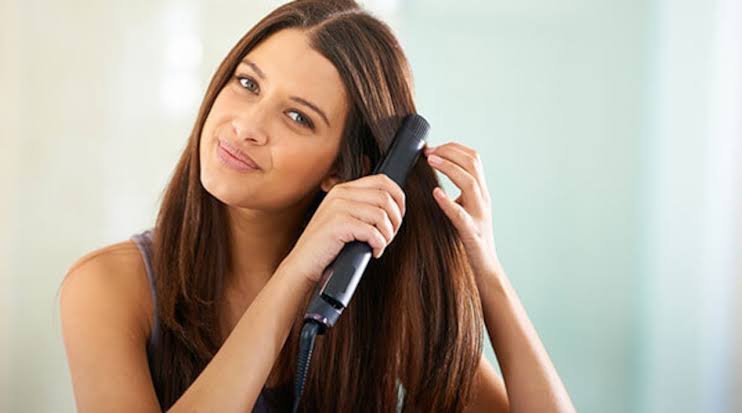
Suggested Alt Text: “Ceramic plate hair straightener for home use review” Suggested Alt Text: “Woman using heat protectant spray before straightening hair”

 LOOK 01
 LOOK 02