
Introduction
Walk into any beauty store today and you’ll spot “clean beauty” plastered across half the shelves. But ask ten brands what that actually means, and you’ll probably get ten different answers. The clean beauty movement has grown into one of the biggest shifts in the beauty industry, yet the term itself remains surprisingly unregulated. Let’s actually unpack what it means and whether it holds up to scrutiny.
What Does “Clean Beauty” Actually Mean?
Unlike “organic” or “vegan,” which have some regulatory definitions in various markets, “clean beauty” has no universal legal standard, which is exactly why it gets used so loosely by different brands.
Quick answer: The clean beauty movement generally refers to products formulated without certain controversial ingredients like parabens, sulphates, and synthetic fragrances, focusing on transparency and safer formulations, though the term itself lacks a single official industry-wide definition.
Why the Term Lacks Regulation
Because there’s no legal body strictly defining “clean,” brands get to set their own criteria, which explains why one clean beauty brand might avoid parabens while still using ingredients another clean brand considers questionable.
I’ve noticed this inconsistency is exactly what critics point to most — the term has become more of a marketing category than a scientifically defined standard.
Ingredients Commonly Avoided in Clean Beauty
While there’s no single list, certain ingredients repeatedly show up as commonly excluded across most clean beauty brands:
- Parabens (preservatives linked to hormone disruption concerns)
- Sulphates (harsh cleansing agents that can strip natural oils)
- Synthetic fragrances (linked to skin sensitivity for some users)
- Certain silicones (though this is more debated than harmful, technically)
Is “Clean” the Same as “Safe” or “Effective”?
This is where a lot of confusion happens. A product being “clean” doesn’t automatically mean it’s more effective, or even necessarily safer than a conventional alternative — some well-tested synthetic ingredients have decades of safety data behind them.
Picture someone assuming a clean beauty sunscreen is automatically better protection than a conventional one — that’s not necessarily true; the actual SPF formulation and testing matter far more than the “clean” label alone.
Greenwashing Within the Clean Beauty Space
Because the term is unregulated, some brands use “clean” purely as marketing without meaningful reformulation behind it — commonly called greenwashing within this specific movement.
A few signs worth watching for:
- Vague claims without specific ingredient lists provided
- “Clean” branding on products with no actual formulation change from a previous, non-clean version
- Heavy reliance on buzzwords rather than transparent, verifiable sourcing information
[link to related guide on sustainable fashion brands india here]
How to Evaluate Clean Beauty Claims Yourself
Rather than trusting the label alone, checking the actual ingredient list against your specific sensitivities or concerns gives a much clearer picture than marketing language.
A practical approach:
- Look up unfamiliar ingredients rather than assuming based on brand claims
- Check if the brand publishes a specific “avoided ingredients” list with reasoning
- Consider your own skin’s actual reaction over generic label claims
Has Clean Beauty Actually Improved the Industry?
Despite the marketing confusion, the movement has pushed genuine positive change — increased ingredient transparency, more brands publishing full ingredient disclosures, and growing consumer awareness about what’s actually in their products.
FAQ
Q1. Is clean beauty regulated by any authority? No, there’s no official regulatory body strictly defining “clean beauty,” which is why definitions vary significantly between brands.
Q2. Does clean beauty mean chemical-free? No, everything, including water, is technically a chemical. Clean beauty generally refers to avoiding specific controversial ingredients, not avoiding all chemical compounds.
Q3. Are clean beauty products more expensive? Often yes, partly due to sourcing costs and partly due to premium marketing positioning, though this isn’t a strict universal rule.
Q4. Is clean beauty better for sensitive skin? It can be, since many excluded ingredients (like synthetic fragrance) are common sensitivity triggers, though results still vary by individual skin reactions.
Q5. How can I tell if a brand’s clean beauty claims are genuine? Checking for a specific, published list of avoided ingredients with clear reasoning is a stronger signal than vague marketing language alone.
Q6. Is natural always the same as clean beauty? Not necessarily — “natural” refers to ingredient origin, while “clean” typically refers to excluding specific controversial ingredients, and the two terms overlap but aren’t identical.
Conclusion
The clean beauty movement has genuinely reshaped how the industry talks about ingredients and transparency, even if the term itself remains loosely defined. The real value comes from checking actual ingredient lists and formulation transparency rather than trusting the “clean” label at face value. It’s a helpful starting point for more mindful shopping, just not a guaranteed seal of safety or effectiveness on its own.
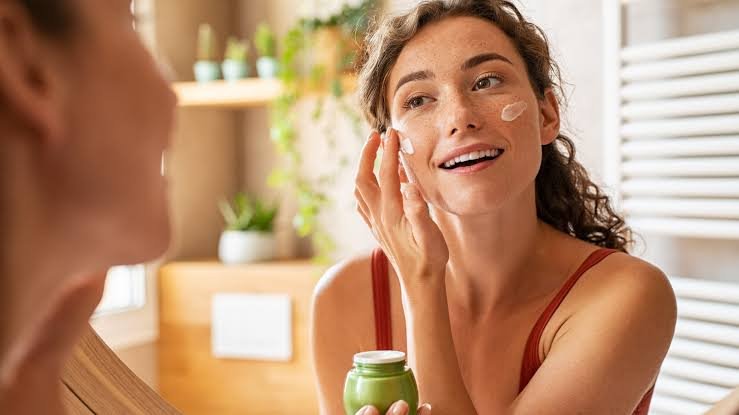
Suggested Alt Text: “Clean beauty movement skincare products with ingredient transparency” Suggested Alt Text: “Woman reading ingredient list on clean beauty product”

 LOOK 01
 LOOK 02