
Glowvica Collection FileNo. 026

Natural Beauty Hacks Using Everyday Kitchen Ingredients

My grandmother never bought a single face mask in her life. She used besan, curd, and honey — and honestly, her skin at 65 looked better than mine at 25…

EditorAdmin Read4 min RevisedAug 8, 2026
Natural Beauty Hacks Using Everyday Kitchen Ingredients
THE EDITBeauty
CURATED
FILE
CollectionBeauty
FormatLookbook Dossier
Length669 words
StatusEditorially Reviewed
Issue2026.08
01Discover
02Decode
03Compare
04Refine
05Complete
EDITOR'S CUT01

My grandmother never bought a single face mask in her life. She used besan, curd, and honey — and honestly, her skin at 65 looked better than mine at 25 some days. That's what got me interested in…

  • What matters
  • What to compare
  • What to choose
THE FULL EDIT

My grandmother never bought a single face mask in her life. She used besan, curd, and honey — and honestly, her skin at 65 looked better than mine at 25 some days. That’s what got me interested in natural beauty hacks in the first place. Not everything from the kitchen works, but a surprising number of these old remedies actually hold up to scrutiny.

Let’s separate the useful ones from the myths.

Do Natural Beauty Hacks Actually Work?

Many natural beauty hacks work because kitchen ingredients like honey, yogurt, and gram flour contain real active properties — antibacterial, exfoliating, or moisturizing — though results are usually gentler and slower than dedicated skincare products.

Honey has genuine antibacterial properties. Yogurt contains lactic acid, a mild natural exfoliant. Besan has been used in Indian households for centuries as a gentle cleanser. These aren’t just old wives’ tales.

1. Besan and Curd for Glowing Skin

Mix two tablespoons of besan with curd until it forms a paste. Apply for 15 minutes, then rinse.

This combination gently exfoliates while curd’s lactic acid brightens dull skin. I do this once a week and my skin genuinely feels smoother by the next morning.

2. Coffee Grounds for Under-Eye Puffiness

Cold, used coffee grounds mixed with a bit of coconut oil make a decent under-eye treatment. Caffeine constricts blood vessels temporarily, reducing puffiness.

It’s not magic — don’t expect miracles before a big event — but it does help in a pinch.

3. Rice Water for Skin Tightening

Soak rice for 30 minutes, strain the water, and use it as a toner. Many Korean skincare routines actually built entire product lines around this exact ingredient.

  • Apply with a cotton pad
  • Store in the fridge for up to 3 days
  • Use within that window for best results

4. Turmeric for Reducing Inflammation

A pinch of turmeric mixed into your regular face pack can calm redness and mild acne. Go easy though — too much turns your skin yellow for a day or two (ask me how I know).

5. Aloe Vera Straight From the Plant

If you have an aloe vera plant at home, you’re sitting on a goldmine. Fresh gel applied directly soothes sunburn, calms irritation, and hydrates without feeling greasy.

6. Sugar and Olive Oil Lip Scrub

Mix one teaspoon sugar with a few drops of olive oil. Gently rub on lips for 30 seconds, then rinse. This removes dead skin and leaves lips noticeably softer.

When Kitchen Remedies Aren’t Enough

I’ll be honest — these hacks are great for maintenance, not for treating actual skin conditions like cystic acne or eczema. If you’re dealing with persistent issues, see a dermatologist rather than relying on DIY fixes for months.

[link to related guide on skincare ingredients not to mix here]

A Simple Weekly Kitchen Beauty Routine

  1. Monday: Besan and curd face pack
  2. Wednesday: Rice water toner (morning and night)
  3. Friday: Coffee under-eye treatment
  4. Sunday: Sugar lip scrub before bed

Picture trying this over just one month — small, consistent steps rather than one big dramatic change.

FAQ

Are natural beauty hacks safe for sensitive skin? Mostly, but always patch-test first. Turmeric and lemon-based hacks can irritate sensitive skin especially.

How often should I use kitchen-based beauty treatments? Once or twice a week is plenty. Daily use of exfoliating ingredients like besan can actually damage your skin barrier.

Can natural beauty hacks replace my regular skincare products? Not entirely — think of them as supplements, not substitutes for cleanser, sunscreen, and moisturizer.

Is rice water good for oily skin too? Yes, it works well across skin types since it’s mild and doesn’t add extra oil.

Do these remedies expire? Fresh preparations should be used immediately or within a few days if refrigerated — they don’t have preservatives.

Conclusion

You don’t always need a fifteen-step Korean routine or expensive serums to get results. Some of the best natural beauty hacks are quite literally sitting in your kitchen cabinet right now. Try one of these this week — start with the besan and curd mask, it’s the easiest — and see how your skin responds before building a full routine around it.

Collection Notes

The most useful choice should still feel like you.

01Keep the context

Judge every recommendation against your routine, priorities and real-world use.

02Edit the excess

Ignore noise that adds cost or complexity without adding meaningful value.

03Complete the look

Choose the option that works as part of the whole, not only in isolation.

FINAL FITTING
Glowvica Verdict

Considered, wearable and worth keeping.

The strongest decision is not always the loudest trend. It is the one that feels relevant now and remains useful after the season changes.

GAPPROVED EDIT
Glowvica Editorial Contributor

Admin

Beauty and fashion analysis focused on informed comparison, practical context and personal style.

FILE 026
Complete the Look

Continue along the rail.

Three portrait editorials selected from the same collection.

Rolling and Boxcar Scars ExplainedLOOK 01
Beauty

Rolling and Boxcar Scars Explained

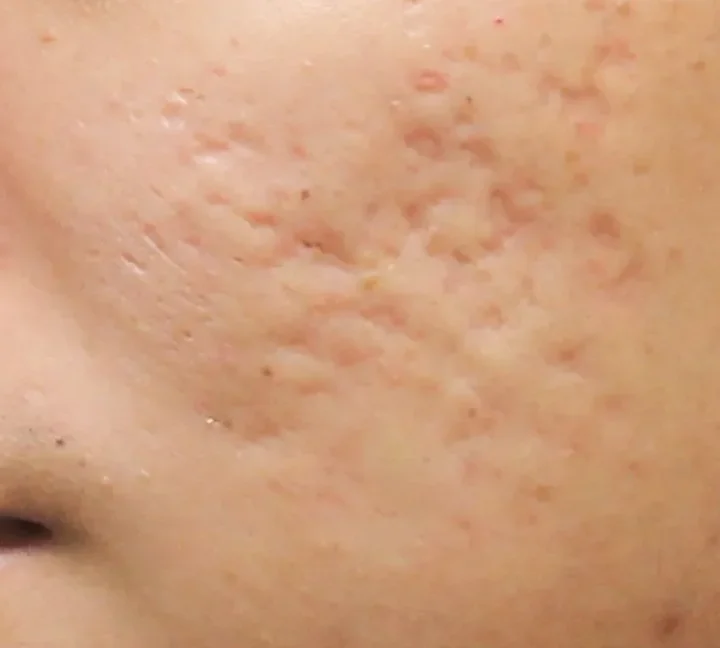
Demystifying Post-Acne Scars and Dermal Architecture Battling active acne breakouts is frustrating enough, but dealing with the permanent textural scarring left in their wake can feel deeply discouraging. Post-acne scars aren’t just surface discoloration; they are structural changes in the deep dermal matrix caused by intense inflammatory damage. When an acne cyst or severe pustule ruptures deep inside a pore, it destroys localized collagen fibers and surrounding support tissue. As the immune system rushes in to repair the wound, it often deposits replacement collagen unevenly. Depending on whether the body produces too little tissue or forms rigid fibrotic bands, different types of indented, atrophic scars form across the face. Understanding the physiological differences between rolling and boxcar scars is the critical first step in choosing the right corrective treatment. Deconstructing Rolling Scars: The Invisible Tethering Effect Rolling scars get their name from the wave-like, undulating appearance they create across the cheeks and temples. Unlike sharp, clearly defined scars, rolling scars make the skin surface look gently dimpled, uneven, or shadowed, especially under harsh overhead lighting. The defining characteristic of rolling scars lies beneath the surface as fibrous anchoring bands. During the chaotic healing of an inflammatory acne lesion, tough bands of fibrotic scar tissue form between the upper dermis and the underlying subcutaneous fascia. These microscopic tethering bands contract over time, physically pulling the skin surface downward. To effectively smooth a rolling scar, treatment must focus on breaking these deep fibrous tethers while rebuilding cushiony structural collagen beneath the depression. Understanding Boxcar Scars: Sharp Edges and Tissue Loss Unlike rolling scars, boxcar scars appear as sharp, well-defined depressions with crisp vertical edges, resembling chickenpox scars or small crater-like indents. They occur when an acute inflammatory lesion destroys a localized volume of dermal tissue, leaving a void where normal collagen scaffold once existed. Boxcar scars are categorized by their depth: shallow boxcar scars extend less than 0.5 millimeters into the skin, whereas deep boxcar scars reach deeper dermal layers. Because boxcar scars have distinct vertical walls, superficial creams and light surface scrubs can’t smooth them out. Eliminating boxcar scars requires targeted clinical interventions that resurface the sharp upper edges while strongly stimulating vertical collagen regrowth from the bottom of the crater upward. Modern Dermal Resurfacing Technologies for Scar RemodelingOn the Rail · Recommended ReadsHow to…

Open the file →